My work is entirely focused on men.
I’m Tommy Mattera, a therapist specializing in men’s mental health.
In-person in Chico, Ca and Online across California.

Working exclusively with men changes how I practice.
Men often come to therapy after spending a long time trying to handle things themselves. They may be successful at work, deeply committed to their families, and capable of carrying an enormous amount—and still be anxious, angry, disconnected, exhausted, or stuck in patterns they can’t seem to change.
I’ve built my practice around understanding those patterns.
That means I’m not trying to fit men into a generic model of what therapy is supposed to look like. I pay attention to how men actually experience responsibility, anger, shame, relationships, fatherhood, work, identity, trauma, and the pressure to keep functioning when something underneath isn’t working.
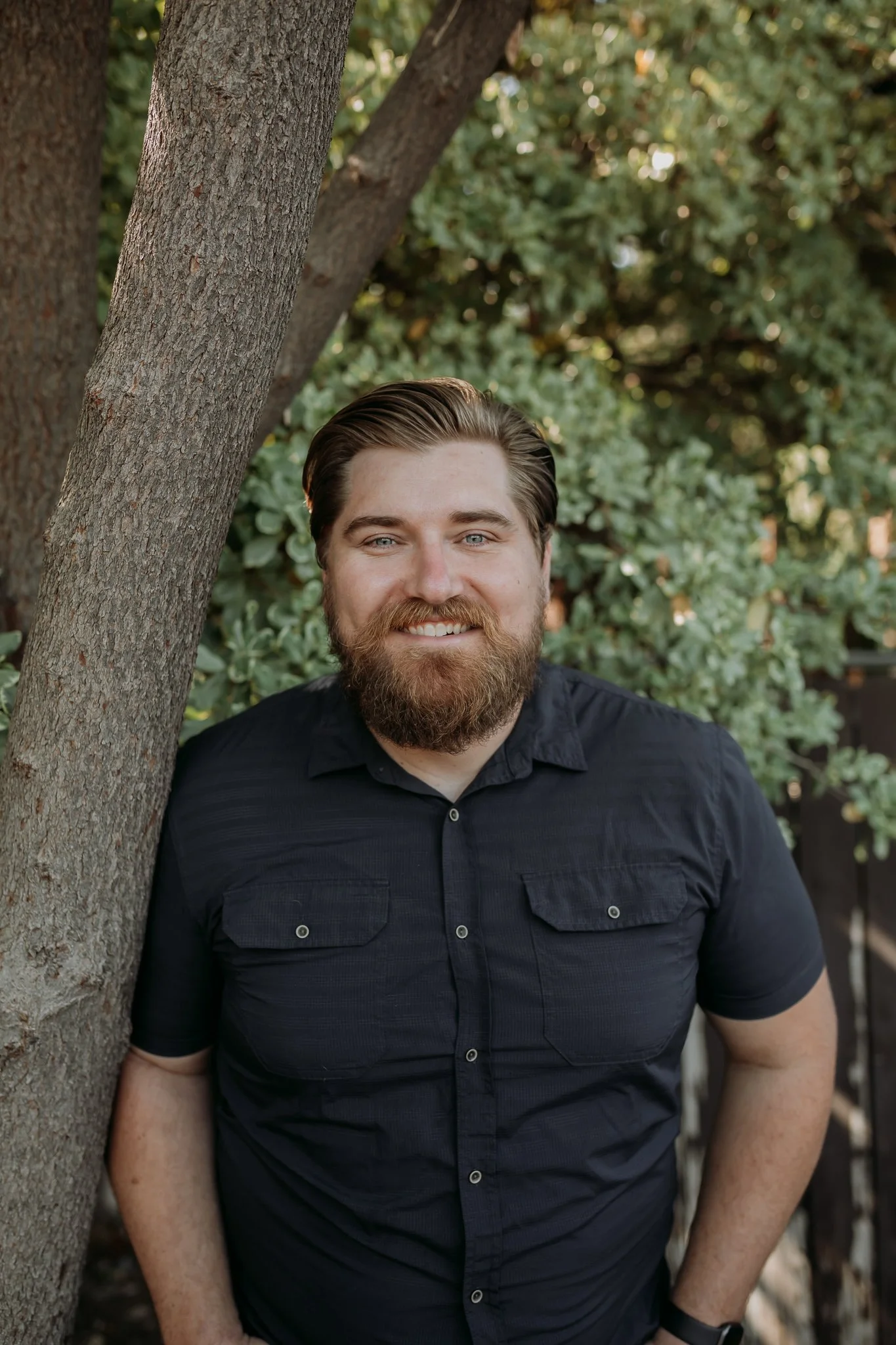
I’m Tommy Mattera, LMFT.
My style is direct, collaborative, and engaged. I’m not going to sit silently while you try to figure out what you’re supposed to talk about, and I’m not especially interested in giving you generic advice you could have found on your own.
We’ll work together to understand what’s actually happening, what keeps getting in the way, and what needs to change.
Sometimes that means looking underneath anger, anxiety, or depression. Sometimes it means working through something painful that happened years ago but still affects you now. Sometimes it’s figuring out why the same conflict keeps happening in your marriage, why work has started consuming too much of you, or why a life that looks pretty good from the outside doesn’t feel that way from the inside.
I’ll ask questions. I’ll tell you what I’m noticing. I’ll challenge you when I think it would be useful, and I’ll expect you to tell me when I’m getting something wrong.
Therapy doesn’t need to be mysterious. We’re trying to understand you well enough that you have more choice in how you respond to your life, your relationships, and yourself.
That’s the work.

From A Deep Well
Through my work and my own life, I've become increasingly interested in a particular question: How do men become so competent at holding everything together that they lose access to themselves in the process?
From A Deep Well is an ongoing collection of essays about responsibility, attachment, fatherhood, marriage, and the patterns we inherit. Much of the writing explores what happens when usefulness becomes identity, why some of the most capable men feel exhausted by lives that appear successful, and what it means to move toward maturity without abandoning responsibility.
The Reason I Do This Work:
I’ve built my practice entirely around working with men.
Men don’t all come to therapy for the same reasons, and there isn’t one particular way that men struggle.
But after years of doing this work, I’ve become deeply interested in the ways men learn to relate to themselves, the people they love, and the responsibilities they carry.
WHY MEN?
I work exclusively with men because I think men deserve therapy that takes their lives seriously.
That means taking seriously the importance of work, marriage, fatherhood, sex, responsibility, anger, ambition, grief, friendship, faith, failure, and the desire to be someone other people can depend on.
It also means recognizing that the things that make a man capable can sometimes become the things that keep him stuck.
Being responsible can become carrying everything yourself. Providing can become measuring your worth by what you produce. Staying steady can become losing track of what you feel. Independence can become isolation.
I’m not interested in teaching men to become less strong, less responsible, or less capable.
I’m interested in helping men understand themselves well enough that those strengths become choices rather than requirements.
That’s why I’ve chosen to make men’s mental health the focus of my work.
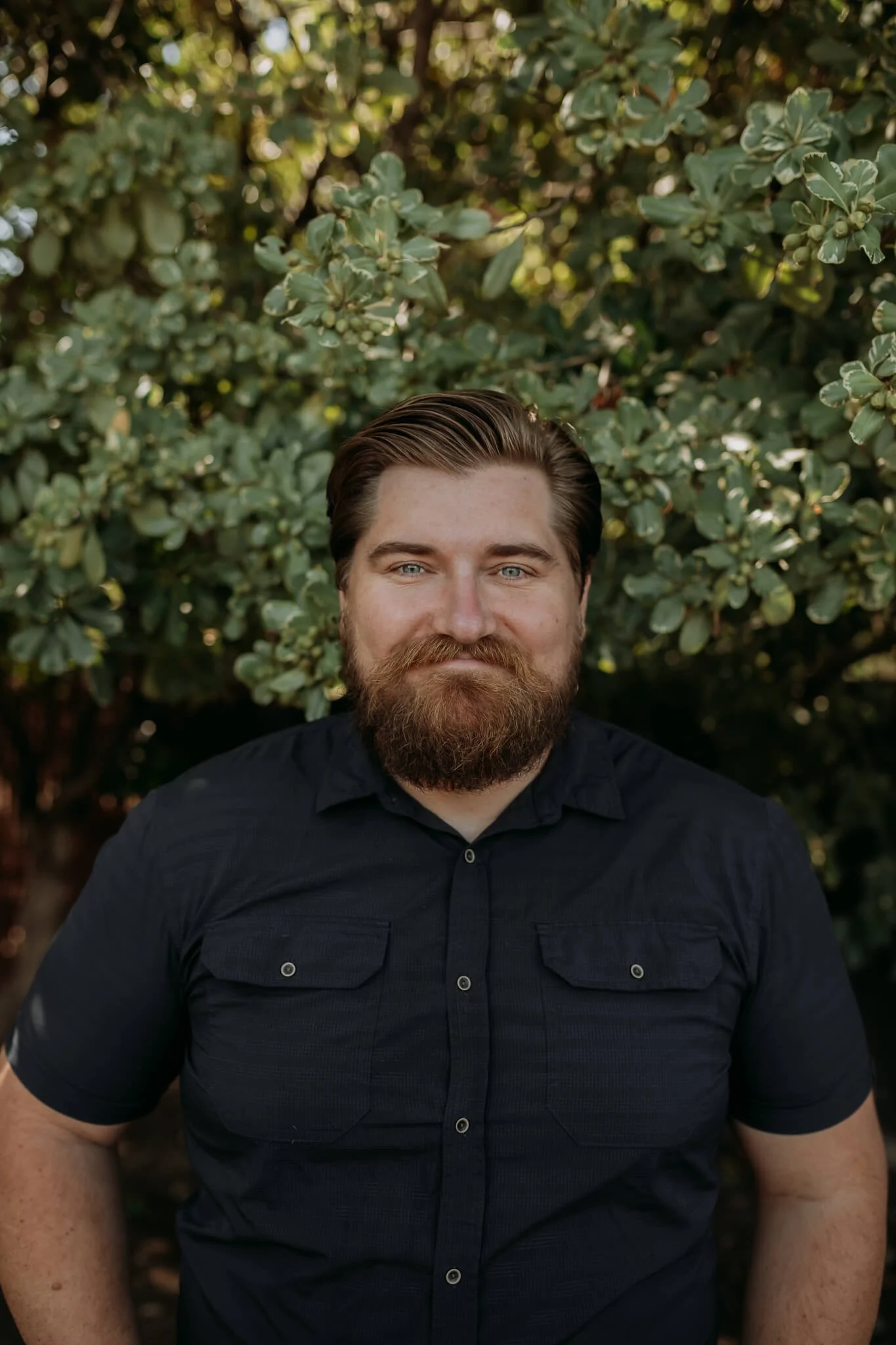
Who the hell is Tommy?
I’m a father of three, and I’ve been married to my wife, Amanda, for six years. In my surplus of free time (reference my first sentence), I train Brazilian Jiu-Jitsu, hike, cycle, and occasionally bake a loaf of bread or two.
I’m a lifelong Northern Californian and have made Chico home. I like being outside, doing things that are physically difficult, and spending time with people I care about. I’m generally happier around a campfire, on a trail, or getting strangled by my friends at six in the morning than I am doing anything particularly sophisticated.
I also write—a lot. My publication, From a Deep Well, grew out of many of the same questions that animate my work as a therapist: responsibility, fatherhood, marriage, attachment, and what happens when being capable and useful starts to become an identity.
I read more than is probably necessary, think about things for too long, and have a pretty low tolerance for pretending complicated things are simple.
Most of my life happens outside the therapy room. I think that's important. I’m a therapist, but I’m also a husband, dad, friend, writer, and a guy trying to figure out how to live a good life alongside everybody else.
Get the support that’s right for you.
-
I’m direct, collaborative, and engaged. I’m not going to sit silently while you try to figure out what you’re supposed to talk about, and I’m not especially interested in giving you generic advice you could have found on your own.
We’ll work together to understand what’s actually happening, what keeps getting in the way, and what needs to change.
I’ll ask questions. I’ll tell you what I’m noticing. I’ll challenge you when I think it would be useful, and I’ll expect you to tell me when I’m getting something wrong.
The approaches I draw from include:
Internal Family Systems (IFS) — for understanding the different parts of yourself and the roles they've learned to play.
Acceptance and Commitment Therapy (ACT) — for getting clearer about what matters to you and building a life that reflects it.
Existential Therapy — for the bigger questions of identity, meaning, responsibility, freedom, relationships, and how you want to live.
Accelerated Resolution Therapy (ART) — for trauma and experiences that continue to affect you long after they're over.
-
My practice is exclusively focused on men. Over the years, that has meant working repeatedly with many of the same problems: anxiety, depression, anger, relationships, fatherhood, trauma, work, responsibility, and major changes in life.
Anxiety, Depression & Stress
Sometimes it’s obvious that something is wrong. Sometimes you’re functioning perfectly well on the outside but feel anxious, exhausted, irritable, disconnected, or unlike yourself. We’ll figure out what’s underneath it and what needs to change.Relationships
A lot of men come to therapy because something isn’t working at home. Maybe you’re fighting constantly, growing apart, having the same argument over and over, or your partner has told you that something needs to change. We can work on your side of the relationship without pretending the entire relationship is your responsibility.Fatherhood
Becoming a father can change your marriage, identity, priorities, friendships, sex life, and relationship with your own childhood. I work with men navigating both the ordinary demands of being a dad and the places fatherhood brings something deeper to the surface.First Responders & Trauma
I work with first responders and men who have experienced traumatic or overwhelming events. Sometimes the problem is clearly connected to what happened. Other times it shows up later as anger, anxiety, avoidance, sleep problems, intrusive memories, or feeling constantly on guard.Major Life Changes
Divorce. Becoming a father. Losing someone. Changing careers. A relationship ending. A crisis of faith. Realizing the life you built doesn’t fit quite the way it used to. Therapy can be a place to get your bearings and decide what comes next. -
Licensed Marriage and Family Therapist, CA #133529
California State University, Chico, Masters of Science, Marriage and Family Therapy, 2019
Biola University, Bachelors in Psychology, 2014
Ready to get started?
If something needs to change, we can figure out what comes next.
You don’t need to know exactly what the problem is or what you want from therapy before reaching out.